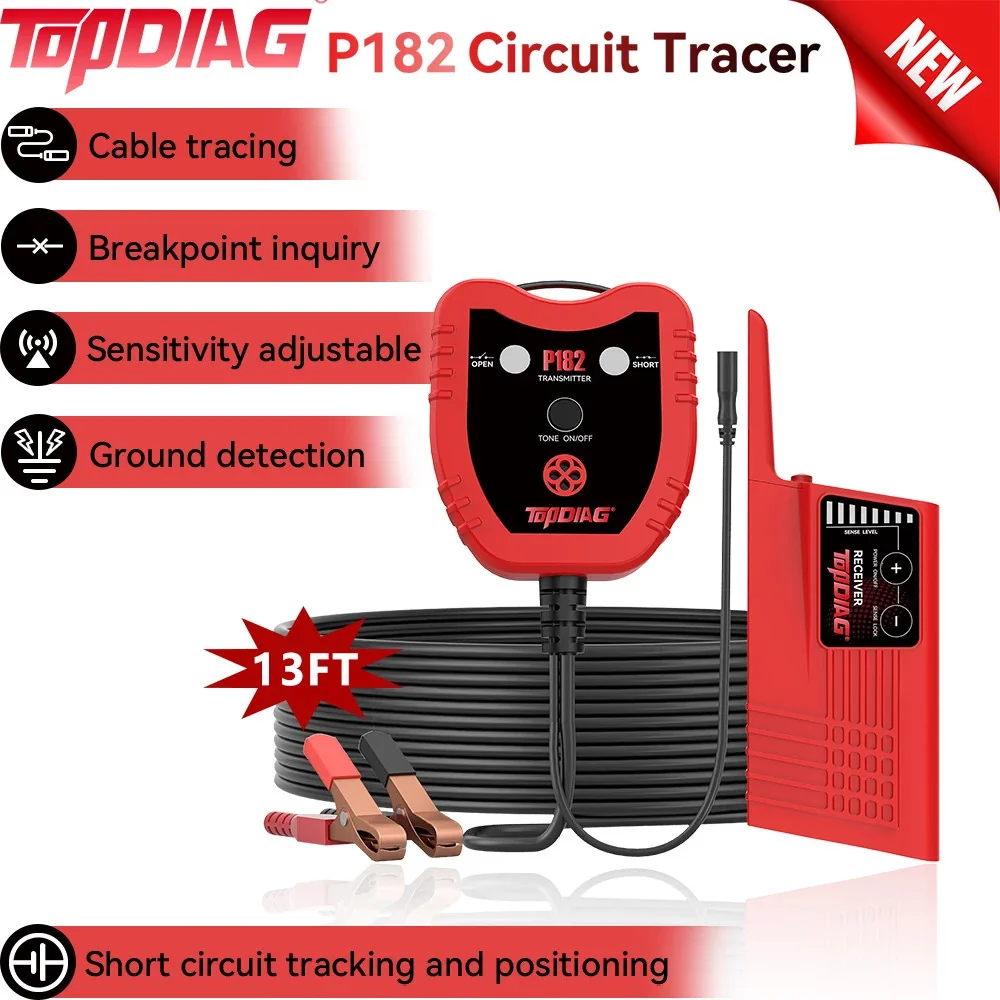
Car Electrical Repairs Near Me: Your Complete 2026 Guide to Diagnostics, Tools & Local Services
Finding reliable car electrical repairs near me doesn't have to be a headache. This guide covers everything from choosing the right automotive electrical repair shop to picking up a proper circuit tester so you can diagnose faults yourself — saving time and money in the process.
Understanding Common Car Electrical Faults
Most car electrical problems fall into a handful of categories — and honestly, about 60% of them trace back to something dead simple like a corroded earth point or a dodgy connection. I've seen people spend hundreds at garages for issues that took five minutes to diagnose with the right tool.
Here's what typically goes wrong:
Battery and Charging Issues
The average car battery lasts 3–5 years in the UK climate. Cold mornings in Manchester? That drops closer to 3. If your engine's cranking slowly or your start-stop system keeps disabling itself, the battery's usually the first suspect. A decent car diagnostic tool or even a basic 12V circuit tester can tell you whether you're looking at a dying battery or a failing alternator in under two minutes.
Lighting and Accessory Failures
Blown fuses, flickering headlights, a car radio that cuts out randomly. These are bread-and-butter electrical faults. Sometimes it's a £2 fuse. Sometimes it's a wiring loom that's been chewed by a mouse — yes, that's a real thing, and it's more common than you'd think. (Field mice seem to have a particular fondness for foam-insulated wiring, if you're curious.)
Sensor and ECU Problems
Modern cars run 40–100+ sensors feeding data to the ECU. When one fails, you get warning lights, limp mode, or weird behaviour that seems completely unrelated to the actual fault. This is where proper diagnostics matter. A generic code reader tells you what happened. A proper automotive electrical tester tells you why.
How to Find Reliable Car Electrical Repairs Near Me
Searching for car electrical repairs near me throws up dozens of results, but not all auto electricians are equal. Specialist automotive electrical services differ massively from general mechanics who "also do electrics."
A dedicated auto electrician typically holds IMI Level 3 qualifications minimum and carries diagnostic equipment worth £5,000–£15,000. General garages? They might have a basic code reader and a multimeter. That's fine for simple jobs, but for intermittent faults or complex wiring issues, you want the specialist.
What to Search For
Try these variations when looking locally:
- Car repair and maintenance near me — broader results, useful for general servicing with electrical work
- Automotive electrical repair near me — targets specialists
- Car radio repair near me — for infotainment and audio-specific issues
- Auto electrical repair shops near me — the most specific search for dedicated workshops
Honestly, though — I've found the best results come from asking in local Facebook groups or checking Google reviews specifically for electrical work mentions. A garage might have 4.8 stars overall but be rubbish at electrics.
Average UK cost for car electrical diagnosis: £45–£85 per hour
Typical auto electrician hourly rate (2026): £55–£95
Average wait time for specialist appointment: 3–7 working days
DIY Diagnostics: When You Can Fix It Yourself
Not every electrical fault needs a professional. With the right automotive electrical tester, you can handle a surprising amount yourself — and I'm not just saying that because I sell tools. A 12V circuit tester costing £30–£200 can save you multiple garage visits per year.
So what can you realistically tackle at home?
Beginner-Friendly Fixes
- Fuse testing and replacement (5 minutes, £0–£5)
- Battery voltage checks (2 minutes with a multimeter)
- Earth point cleaning (20 minutes, sandpaper and a spanner)
- Bulb and relay swaps
- Parasitic drain testing (30 minutes with a car circuit tester)
When to Call a Professional
Airbag systems, ABS modules, hybrid/EV high-voltage components — leave these alone. Seriously. High-voltage systems in EVs run at 400–800V. That's not a DIY job; that's a "get it wrong and you're dead" job. The Health & Safety Executive has clear guidance on working with high-voltage vehicle systems, and for good reason., a favourite among Britain’s tradespeople
That said — even some 12V work can catch you out. If you're dealing with CAN bus communication faults or programming modules, you'll need specialist software and knowledge. But for basic circuit testing? Absolutely doable.
Power Probe Circuit Testers: Why Professionals Swear By Them
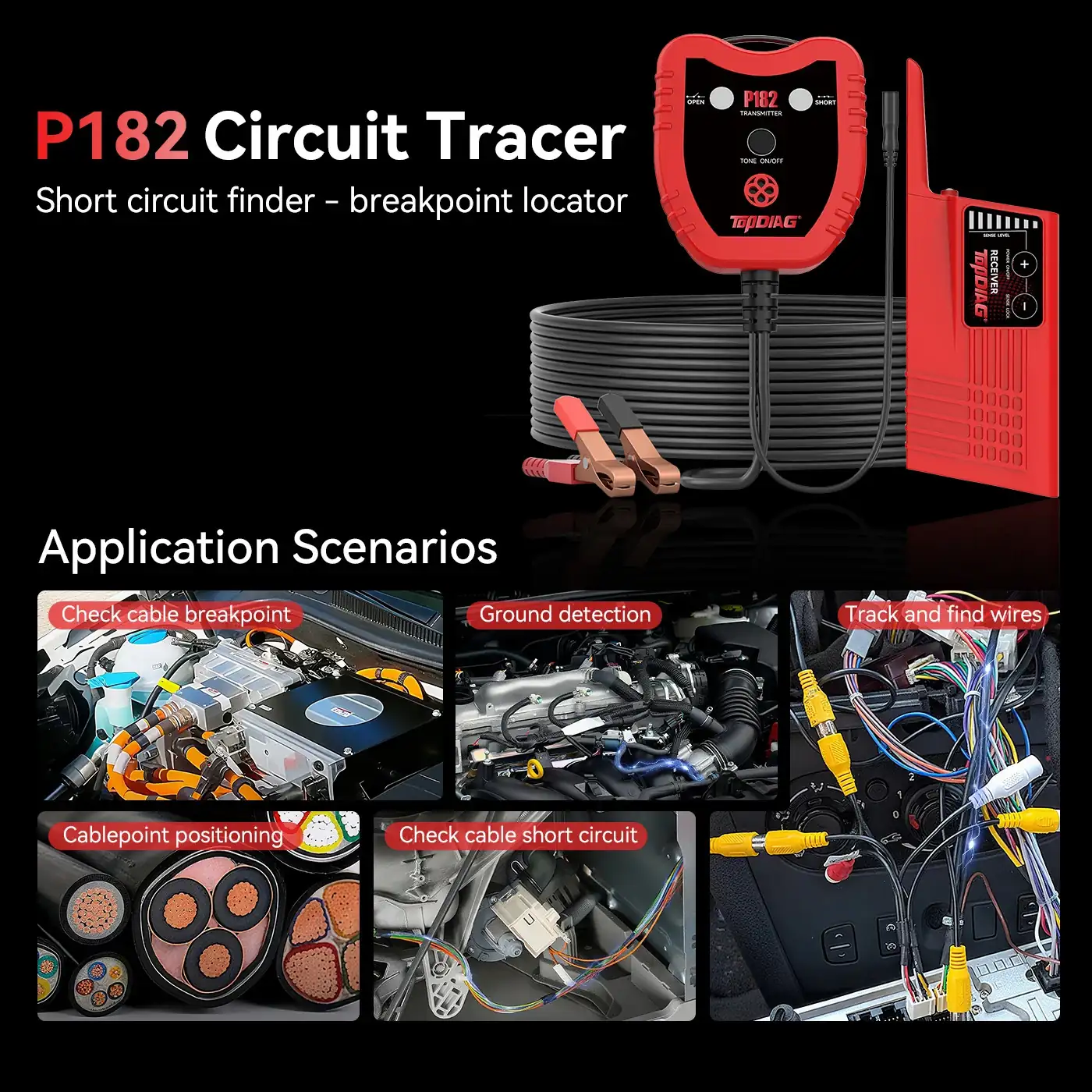
The Power Probe is the go-to tool for automotive electrical diagnostics. Full stop. I've used cheap test lights, multimeters, and various car circuit testers over the years, and nothing matches the speed and versatility of a proper Power Probe circuit tester.
What makes it different from a standard test light? A Power Probe doesn't just tell you if power's present — it supplies power too. You can activate components, check grounds, trace wires, and test circuits without needing a separate power supply or jumper wires. Proper good bit of kit.
How to Use a Power Probe
Connect the main lead to the battery (red to positive, black to negative). The probe tip then becomes your diagnostic tool. Touch any wire or terminal and the LED/display tells you whether you've got power, ground, or an open circuit. Press the switch one way to supply 12V positive; press it the other way to supply ground. That's it. Dead simple, incredibly powerful.
Power Probe III vs Power Probe 4
The Power Probe III (PP3) has been the industry standard for years. It handles 12–24V systems, includes an integrated voltmeter, and features the classic power/ground supply function. The Power Probe 4 (PP4) adds a digital display, improved accuracy, and better ergonomics — but at a higher price point.
My take? For most DIY users and even many professionals, the Power Probe 3 does everything you need. The PP4 is brilliant if you're using it daily in a workshop, but for weekend warriors, the III offers better bang for your buck. Check out the full range at powerppect.co.uk.
Power Probe vs Test Light: Which Do You Actually Need?
A basic test light costs £5–£15. A Power Probe starts around £80–£150. Worth the extra spend? If you're doing anything beyond checking fuses, yes. A test light can't supply power, can't measure voltage accurately, and can't help you trace intermittent faults. The Power Probe test light function is just one of about eight things it does.
Power Probe Comparison: Finding the Best Power Probe for Your Needs
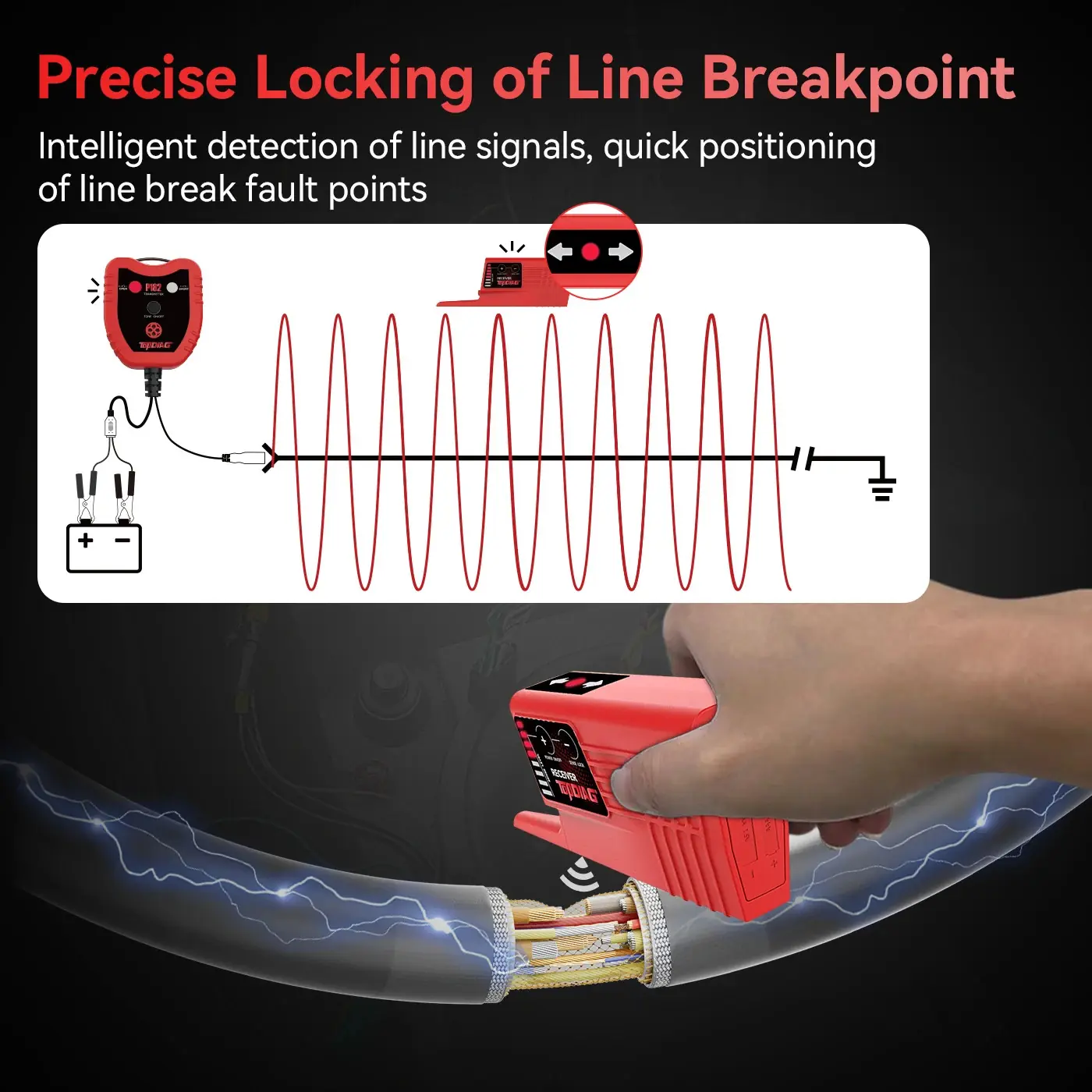
Here's a breakdown of the main models available through powerppect.co.uk this spring 2026:
| Feature | Power Probe III (PP3) | Power Probe 4 (PP4) | Power Probe Kit (Master Set) |
|---|---|---|---|
| Voltage Range | 12–24V DC | 0–70V DC | 12–24V DC (multiple tools) |
| Display Type | LED indicators + voltmeter | Digital LCD | Varies by component |
| Power/Ground Supply | Yes | Yes | Yes |
| Continuity Testing | Yes (audible tone) | Yes (audible + visual) | Yes |
| Component Activation | Yes | Yes | Yes |
| Cable Length | 20ft / 6.1m | 20ft / 6.1m | 20ft / 6.1m |
| Best For | DIY & professional use | Daily professional use | Full workshop setup |
| Typical UK Price | £95–£130 | £140–£180 | £180–£250 |
Best value for DIY users: Power Probe III — covers 95% of diagnostic tasks at a lower price point
Best for professionals: Power Probe 4 or the full Power Probe Kit for workshop environments
All models available: powerppect.co.uk/ppect3000
Sourcing Automotive Electrical Supplies in the UK
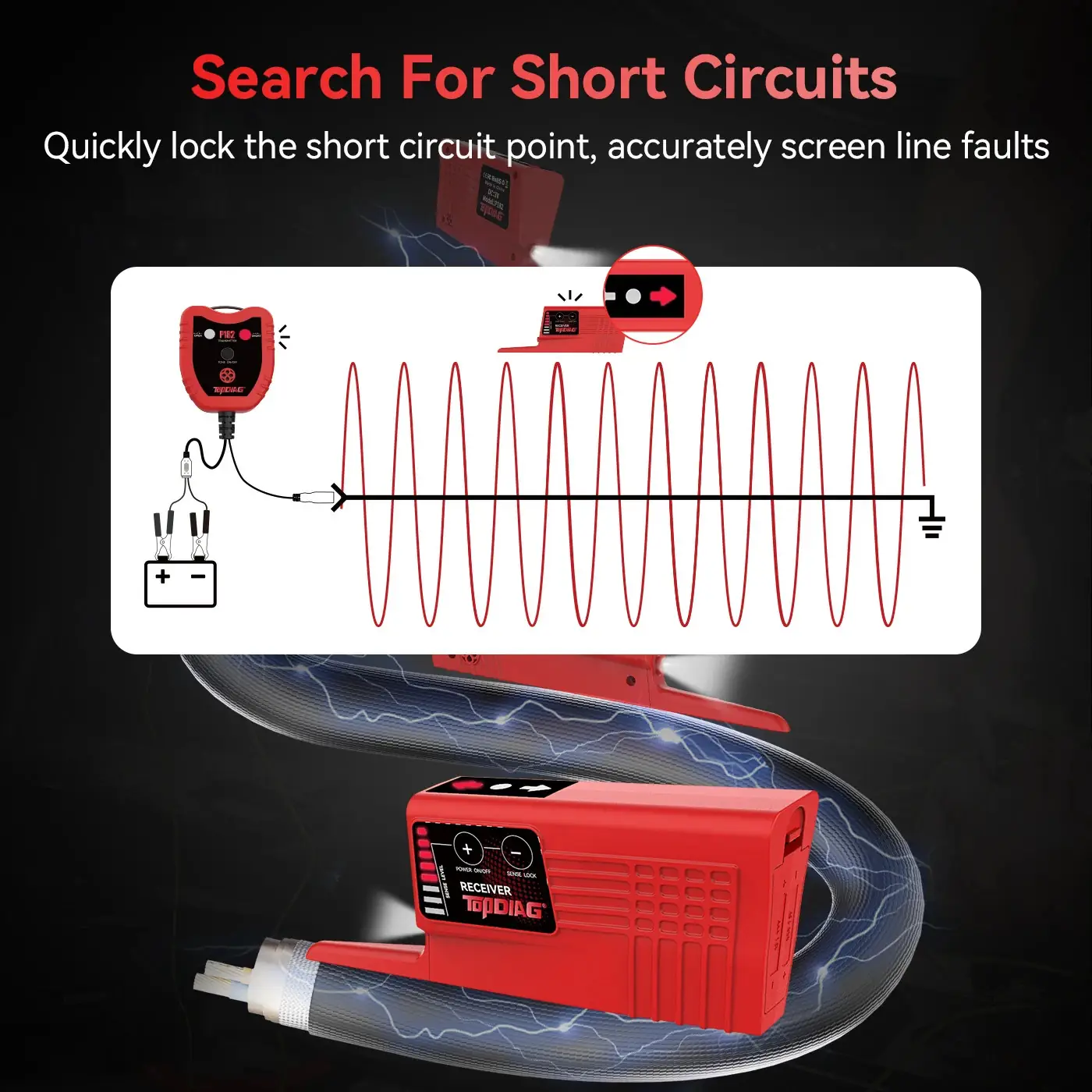
Whether you're a professional auto electrician or a DIY enthusiast, finding quality auto electrical supplies matters. Cheap connectors corrode. Thin-gauge wire overheats. Dodgy relays fail. I've learned this the hard way — twice.
What You'll Need for Basic Electrical Work
- Automotive-grade wire (thin-wall, 0.5mm²–6mm² depending on application)
- Heat-shrink connectors (not those awful blue/red crimp things from Halfords)
- Blade fuses and inline fuse holders
- Relays (standard 12V 30A/40A)
- A proper automotive electrical tester — Power Probe or equivalent
- Wiring diagrams for your specific vehicle
Electrical Supply Store Options
For electrical supplies near me searches, you've got a few routes. Vehicle Wiring Products (online, Ipswich-based) carry proper automotive-spec components. Auto Electrical Supplies in Birmingham stock everything from starter motors to connector kits. For diagnostic tools specifically, specialist suppliers like powerppect.co.uk focus on quality testing equipment rather than generic parts.
One thing worth checking: any electrical components you fit should meet BSI standards for automotive use. BS AU 14a covers cable specifications, and it's worth confirming compliance — especially if you're doing work that'll be inspected during an MOT.
Who Supplies My Gas and Electric? (The Other Kind)
I get asked this surprisingly often — people searching for car electrical supplies end up wondering about their home energy supplier too. If you're trying to find out who supplies your gas and electric at home, the quickest route is the GOV.UK energy supplier checker or calling your meter's distribution network. Entirely different article, that one., meeting British quality expectations
Choosing Automotive Electrical Repair Shops Near Me: What Actually Matters
When your search for car electrical repairs near me returns a list of options, here's how to separate the decent shops from the cowboys.
Qualifications and Equipment
Look for IMI-certified technicians. Ask what diagnostic equipment they use — if they mention oscilloscopes, Power Probe kits, and manufacturer-level scan tools, you're in the right place. If they say "we've got a code reader," keep looking.
Specialisation Matters
A shop that advertises automotive electrical services as their primary offering will almost always outperform a general garage on electrical faults. They'll have seen your specific problem before. They'll have the wiring diagrams. They won't spend two hours "having a look" at £80/hour.
Red Flags to Watch For
- No clear pricing structure for diagnostic time
- Unable to explain what they'll test or how
- Suggesting component replacement without diagnosis ("probably the alternator, mate")
- No warranty on electrical repairs (minimum 3 months is standard)
Finding a good auto electrician feels a lot like finding a good plumber — word of mouth still beats Google in most cases. Ask on local car forums, check Which? Trusted Traders, or see if any local specialists have manufacturer endorsements.
Average diagnostic fee (UK, 2026): £45–£85
Typical alternator replacement (parts + labour): £250–£500
Starter motor replacement: £180–£400
Wiring fault trace and repair: £80–£200
Car air conditioning repair (electrical component): £150–£350
Frequently Asked Questions
How much do car electrical repairs near me typically cost in 2026?
Most UK auto electricians charge £55–£95 per hour for diagnostic and repair work in 2026. A simple fault like a blown fuse or loose connection might cost £45–£80 total. Complex wiring faults or module replacements can run £200–£500+ depending on parts required and labour time involved.
What's the difference between a Power Probe and a test light?
A test light (£5–£15) only indicates whether voltage is present. A Power Probe circuit tester (£95–£180) measures exact voltage, supplies power and ground to activate components, tests continuity, and traces wiring faults. For anything beyond basic fuse checking, the Power Probe is significantly more capable and saves diagnostic time.
Can I do car electrical repairs myself?
Yes, for basic 12V system work — fuse replacement, earth point cleaning, bulb swaps, and parasitic drain testing are all DIY-friendly with a proper automotive electrical tester. Avoid airbag systems, ABS modules, and any hybrid/EV high-voltage components (400–800V) which require professional training and specialist equipment.
Which Power Probe model is best for home mechanics?
The Power Probe III offers the best balance of capability and value for home mechanics at £95–£130. It covers 12–24V systems, includes power/ground supply functions, and handles 95% of diagnostic tasks. The Power Probe 4 (£140–£180) adds a digital display but isn't essential for occasional use.
How do I find a specialist auto electrician rather than a general garage?
Search specifically for "automotive electrical services" or "auto electrician" rather than general car repairs near me. Check for IMI Level 3+ qualifications, ask about their diagnostic equipment (oscilloscopes, manufacturer scan tools), and look for businesses where electrical work is their primary service rather than a sideline.
What automotive electrical supplies do I need for basic fault-finding?
At minimum: a 12V circuit tester or Power Probe (£30–£180), a set of blade fuses (£5–£10), automotive-grade wire in 0.5mm²–2.5mm² sizes, heat-shrink connectors, and vehicle-specific wiring diagrams. A quality automotive electrical tester pays for itself within 2–3 uses versus garage diagnostic fees of £45–£85 each.
Key Takeaways
- Car electrical repairs near me costs average £55–£95/hour in the UK as of June 2026 — always get a diagnostic quote upfront before authorising repairs.
- A Power Probe circuit tester (£95–£180) pays for itself within 2–3 uses compared to professional diagnostic fees and is the single best investment for DIY electrical work.
- The Power Probe III remains the best value option for most users; the Power Probe 4 suits daily professional use with its digital display and wider voltage range (0–70V DC).
- Always choose specialist automotive electrical repair shops over general garages for complex faults — look for IMI certification and proper diagnostic equipment.
- Basic electrical work (fuses, earths, bulbs, drain testing) is safely DIY-able; high-voltage systems, airbags, and ABS modules require professional attention.
- Source automotive electrical supplies from specialist suppliers meeting BSI standards — cheap components cause more problems than they solve.
- Invest in proper diagnostic tools from trusted UK suppliers like powerppect.co.uk to build long-term capability and reduce ongoing repair costs.
Ready to try POWERPROBE?
Shop Now — £234.01